The Best Mini PC for Local LLMs in 2026 (By Model Size and Budget)
From a $229 agent host to a 128GB box that runs 70B models, here's the right mini PC for local AI at every tier — matched to the model you actually want to run.
DataHardware
Our Top Pick
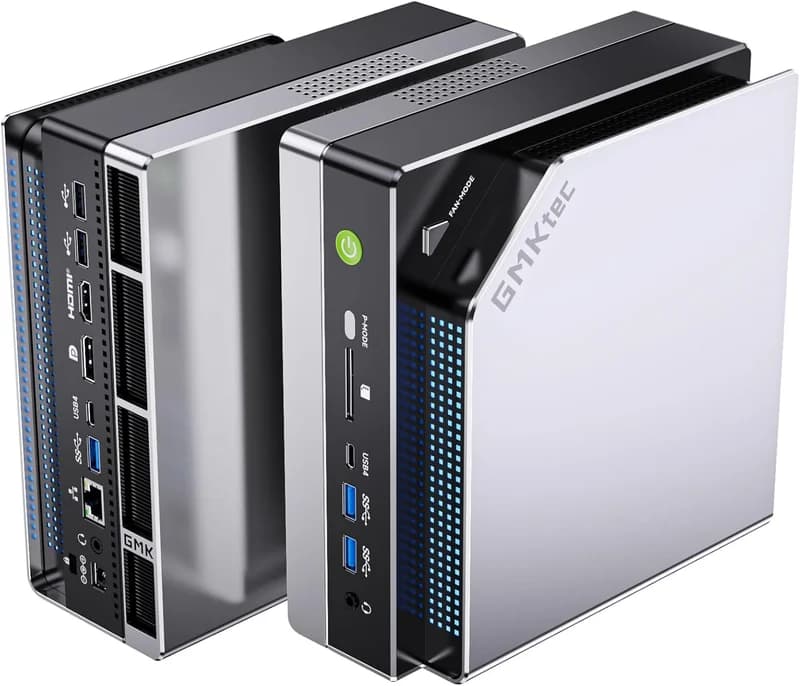
GMKtec EVO-X2 (Ryzen AI Max+ 395, 128GB)
$3,649Quick answer: Match the box to the model. For 7–13B models and always-on agents, a $229–$939 budget mini PC (MAGICNUC AS1, GMKtec M6 Ultra, Beelink SER8) is plenty. For 30B-class models silently, the Mac Mini M4 Pro (64GB, 273 GB/s, $1,599 — discontinued in September 2026, replaced by an M5 Pro at $1,699) was the value sweet spot. For 70B-class models, you want a 128GB Strix Halo box — the Framework Desktop at $3,449 or GMKtec EVO-X2 at $3,649. Need CUDA or 405B clustering? The NVIDIA DGX Spark ($4,699+). Want maximum token speed at 128GB? The Mac Studio M4 Max (up to 546 GB/s, discontinued).
First, size the model — not the box
The single mistake that wastes money here is buying for specs instead of for the model you'll actually run. Two numbers decide everything: how much memory the model needs (capacity) and how fast the box can stream it (bandwidth). Quick 4-bit rule of thumb:
- 7B → ~6GB · runs on almost anything
- 13B → ~10GB · needs 16–32GB
- 30B → ~24GB · needs 48–64GB
- 70B → ~42GB + context · needs 96GB+ allocatable
Capacity decides whether it runs; bandwidth decides how fast. Now the picks.
Budget tier ($229–$939): always-on agents and 7–13B models
These are integrated-graphics boxes — small models, agent hosts, Home Assistant, light inference. No big-model ambitions, but unbeatable value for an always-on machine.
- MAGICNUC AS1 ($229, currently sold out direct) — 16GB / 512GB, Windows 11 Pro included. The cheapest credible always-on agent host.
- GMKtec M8 ($379–$409) — dual 2.5GbE for cluster/edge setups at the $400 tier.
- Beelink SER8 ($799–$939) — Ryzen 7 8845HS, 32GB, RDNA 3 — near-silent, and the comfort pick for 13B inference.
- GMKtec M6 Ultra ($569) — Zen 4 + 32GB, real headroom for 13B and parallel agents, and the best value in this tier.
Apple tier ($799–$2,499, all discontinued): silent, 30B-class, macOS
If you want zero fan noise and the MLX/Ollama ecosystem, Apple's unified memory is excellent — just buy the right config up front (it's all soldered).
- Mac Mini M4 ($799 final — discontinued, replaced by an M6 at $899) — was the cheapest path into unified memory, but 24GB / 120 GB/s caps it at 7–14B.
- Mac Mini M4 Pro ($1,599 final — discontinued, replaced by an M5 Pro at $1,699) — was the value sweet spot: 64GB, 273 GB/s, comfortable for 30B-class models, silent.
- Mac Studio M4 Max ($2,499+ final — discontinued, replaced by an M5 Max Studio from the same $2,499) — up to 128GB at 546 GB/s, higher real bandwidth than any Strix Halo or GB10 box.
128GB tier ($3,449–$4,699): the 70B-class boxes
This is the headline category — single boxes that load 70B models no consumer GPU can hold. They split into three lanes:
- Value (Strix Halo): Framework Desktop at $3,449 and GMKtec EVO-X2 at $3,649 — 128GB, ~256 GB/s, ROCm/llama.cpp.
- Best-connected (Strix Halo): Beelink GTR9 Pro ($4,349) — dual 10GbE for NAS/cluster work; Minisforum MS-S1 Max ($3,799) for PCIe x16 + rack mounting.
- CUDA (NVIDIA GB10): DGX Spark ($4,699+) and ASUS Ascent GX10 ($6,449–$7,999) — 273 GB/s, CUDA-native, 200GbE clustering to 405B.
For the full Strix-Halo-vs-DGX-Spark breakdown, see our DGX Spark vs Strix Halo comparison.
The 30-second verdict
- Always-on agents / 7–13B: GMKtec M6 Ultra ($569) or Beelink SER8 ($799–$939)
- Silent 30B-class: Mac Mini M4 Pro ($1,599, discontinued)
- 70B on a budget: Framework Desktop ($3,449) / GMKtec EVO-X2 ($3,649)
- 70B with CUDA / clustering: NVIDIA DGX Spark ($4,699+)
- Maximum speed at 128GB: Mac Studio M4 Max (546 GB/s)